Robert J. Williams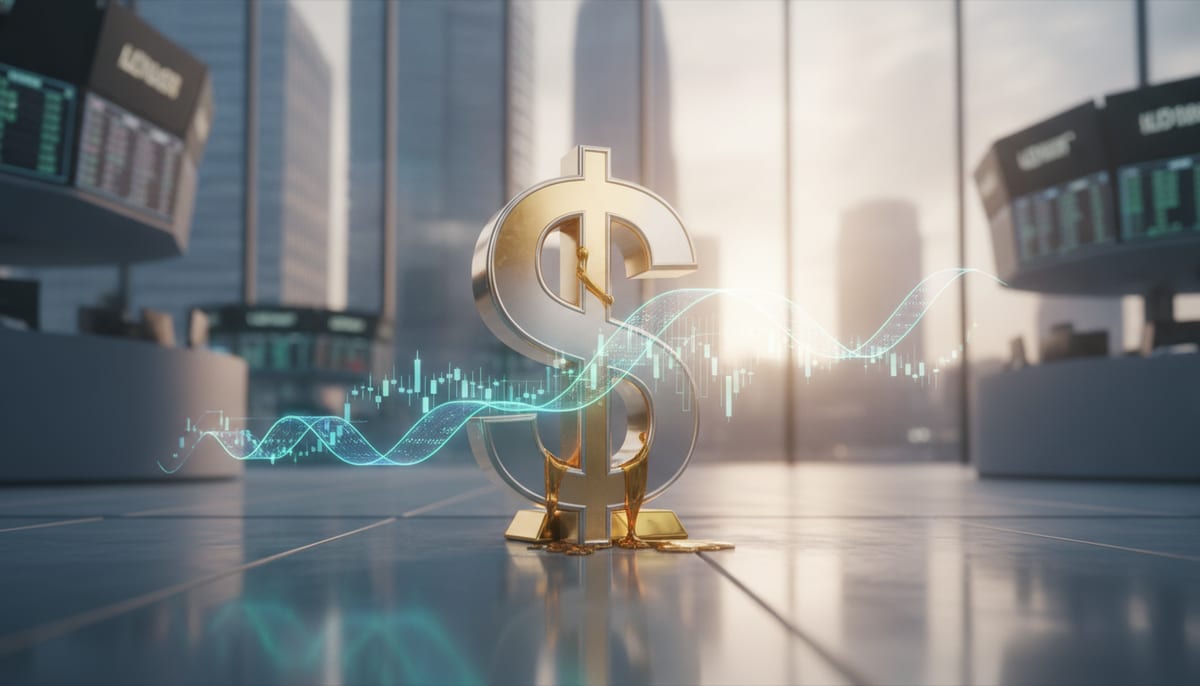
Has the dollar lost its yield cushion? For now, yes. Treasuries extended their rebound through the Asia-Pacific session on Friday, Oct. 16, 2026, dragging 10-year yields well below the high they reached after the latest US CPI release. The dollar softened with them, and gold caught the updraft.
Yields Slipped Back Below Their Post-CPI High
The move was a continuation, not a fresh shock. Treasuries had already started rebounding before Asia opened, and the bid held through the session.
Treasuries extended their rebound during Asia-Pacific trading on Oct. 16, 2026, pushing 10-year yields materially below the high reached after the latest US CPI release, according to InvestingLive. Falling yields pressured the US dollar and supported gold, while traders also weighed Federal Reserve commentary suggesting further rate increases may still be needed.
Why Lower Yields Take the Dollar With Them
The mechanism is simple enough. Dollar debt pays a yield, and when that yield falls, holding dollars pays less than holding euros, yen or sterling. Traders position major pairs around those rate differentials, and the 10-year is the benchmark most of them watch. A narrowing spread between Treasuries and German bunds does the same work on EUR/USD that a narrowing spread against Japanese government bonds does on USD/JPY.
So a Treasury rally is, mechanically, a dollar headwind. Nothing exotic about it.
What’s less mechanical is why the rally ran while Fed officials were still talking about hikes.
Bond Traders and Fed Speakers Are Pricing Different Outcomes
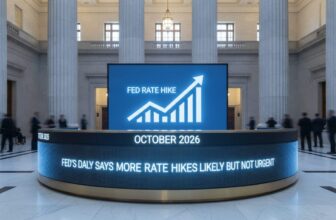
Federal Reserve officials have signalled that further rate increases may still be needed, per InvestingLive’s report, and Treasuries rallied anyway. Those comments weren’t tied to a named policymaker in the report, which puts them closer to background colour than a fresh policy signal.
The gap is still real. Bond buyers weren’t acting on a hawkish message. Either they doubt that line survives the next few data prints, or the bid arrived from somewhere other than the rate outlook. Duration demand, positioning squeezes, or a rotation into safety would each explain a rally that ignores its own central bank.
Gold’s Side of the Trade
Gold pays no coupon. That’s why it tracks yields as closely as it does, because when Treasuries pay less, the cost of holding metal instead falls. Strip inflation expectations out of a nominal yield and what remains is the real yield, which is the figure bullion desks actually price against. A softer dollar helps on top of that, since it makes gold cheaper for anyone buying in euros or yuan. Two tailwinds, one move in rates.
What to Watch
Asian-session moves carry a caveat worth holding onto. Liquidity is thinner between Tokyo and Singapore hours, and direction set there often gets rewritten once London and New York arrive. Thin order books exaggerate the size of a move without proving much about its staying power. Whether this rally sticks depends on whether European and US desks keep buying duration.
Past the session, the next CPI release and the next round of Fed speakers are the pressure points. If officials keep signalling more hikes while the curve keeps rallying, one side of that trade is wrong.
Analyst Take
Bond traders and Fed speakers are pricing two different outcomes, and the bond market tends to win that argument eventually. Rarely on day one, though, and never without a data catalyst. Until a CPI or payrolls print backs this rally, the dollar’s softness reads as tactical rather than structural. The level that matters is whether 10-year yields hold below their post-CPI high once London is fully involved.
Frequently Asked Questions
Why does a Treasury rally weaken the US dollar?
Rising Treasury prices mean falling yields. Lower yields cut the return on holding dollar assets against euro, yen or sterling assets, so the dollar’s rate advantage narrows and demand for it softens.
Why did gold rise as Treasury yields fell?
Two reasons, working together. Gold pays no interest, so lower yields reduce the cost of holding it instead of bonds. A weaker dollar also makes gold cheaper for buyers pricing in other currencies, which tends to support demand for the metal.
What did Federal Reserve officials say about rates?
Fed officials indicated further rate increases may still be needed, according to InvestingLive’s Oct. 16, 2026 market report. The comments were not attributed to a named policymaker in that report, and Treasuries rallied regardless.
About Author