Robert J. Williams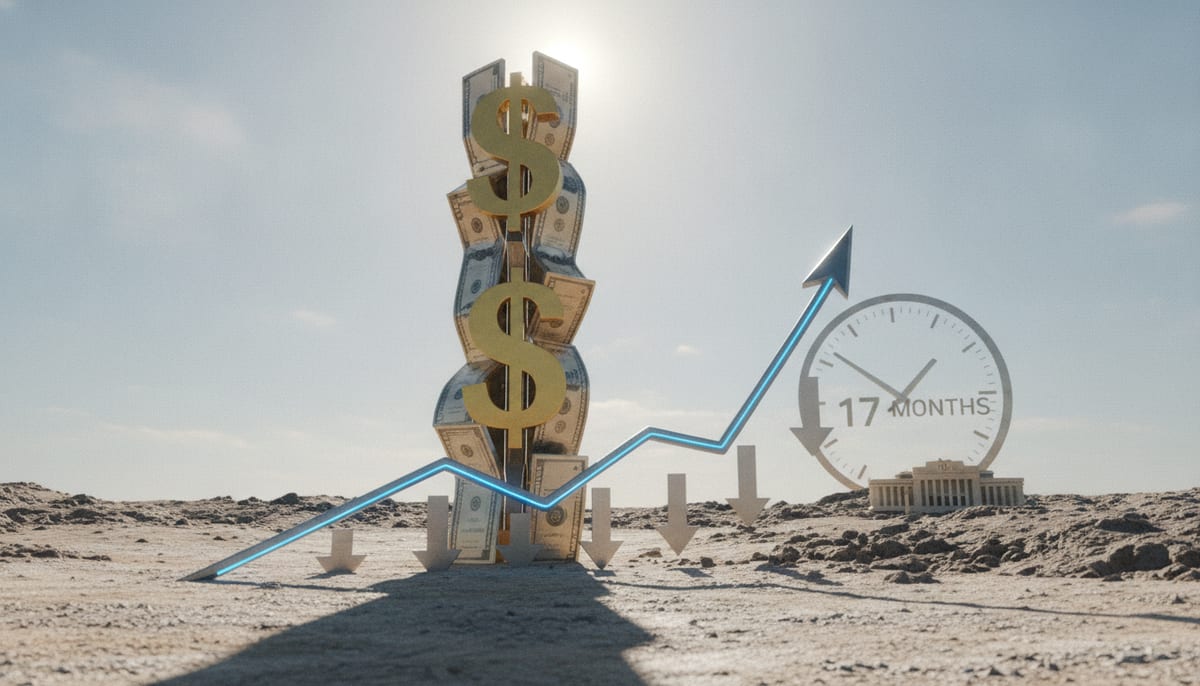
The US dollar reached a 17-month high on Tuesday, with the US Dollar Index trading near 102.50, its strongest level since the second quarter of 2025. Minutes from the Reserve Bank of Australia (RBA), published the same morning, showed a unanimous vote to raise the cash rate target to 4.60%. All nine Monetary Policy Board members backed the 25 basis point (bps) increase at the 28–29 September meeting. Three Federal Reserve officials speak later in the session, and US inflation data follows later in the week.
Why is the US dollar at a 17-month high?
Safe-haven buying has done most of the work. Renewed hostilities in the Middle East and an exchange of strikes between Russia and Ukraine lifted energy prices through the start of the week. WTI crude traded above $93 a barrel on Tuesday after gaining more than 1.6%.
US Treasury yields above 5% supplied the second leg of support. Hawkish comments from Cleveland Fed President Beth Hammack last week moved attention towards the chance of further Fed increases rather than cuts. The index is now in its fourth week of gains.
What did the RBA minutes show?
The Board raised rates because upside inflation risks flagged in August had materialised. The minutes set out three reasons for moving in September. Those risks had turned real, waiting carried a cost, and policy might not yet be restrictive enough.
Oil was one of the named causes. The Board recorded that the Middle East conflict had pushed crude substantially above forecast. It also linked global cost pressure to the AI investment boom, where demand for supply-chain components has driven prices sharply higher. At home, July inflation came in above expectations, led by market services.
On wages the minutes were blunt. “Growth in unit labour costs was above what was consistent with inflation being at target,” the Board said. Business liaison had produced “widespread reports of elevated cost pressures,” which firms were passing through to customers.
The Board left the door open. It would “remain attentive to incoming data,” the minutes said, and would “continue to do what it considered necessary … including increasing the cash rate target further if required.” It also named the trade-off: returning inflation to target “would require accepting slower growth in demand and employment than would otherwise be the case.”
Australia’s 2026 rate path
| Effective date | Cash rate target | Change |
|---|---|---|
| 4 February 2026 | 3.85% | +25 bps |
| 18 March 2026 | 4.10% | +25 bps |
| 6 May 2026 | 4.35% | +25 bps |
| 17 June 2026 | 4.35% | No change |
| 12 August 2026 | 4.35% | No change |
| 30 September 2026 | 4.60% | +25 bps |
Source: Reserve Bank of Australia, Cash Rate Target.
Why did the Australian dollar fall despite a hawkish RBA?
AUD/USD traded near 0.6950 on Tuesday after failing to hold 0.7000, down about 0.40% from Monday’s session. A unanimous increase and a written warning of more would ordinarily lift a currency.
Two factors cut the other way. September’s move was the RBA’s fourth increase of 2026, so another 25 bps was largely in the price well before the minutes appeared. The US side of the rate differential is also shifting at the same time, which left safe-haven demand as the deciding factor on the day.
What are Fed speakers signalling on rates?
Governor Christopher Waller, Richmond Fed President Thomas Barkin and Boston Fed President Susan Collins are all scheduled to speak on Tuesday. Waller spoke on 8 October and declined to put a date on further increases, leaving the Dollar Index little changed that session.
Traders are reading this week’s remarks for how widely Hammack’s position is shared across the committee.
Analyst Take
A unanimous hike carrying a written warning of more to come could not put a floor under the Australian dollar. That is the signal worth taking from Tuesday. Hawkish surprises outside the US are being absorbed rather than rewarded, and the move is being driven from the dollar side of every pair.
Positioning looks stretched. Four weeks of gains with no real pullback leaves a one-way market walking into a US inflation print. For the Australian dollar, the 2–3 November meeting carries more weight than the minutes just released, which describe a decision already made and already priced.
One limit worth stating. The minutes commit the RBA to incoming data, not to a path, and nothing in them settles whether 4.60% is the peak.
What comes next for the dollar?
US inflation data later this week is the main scheduled risk to the dollar’s run. The RBA’s Monetary Policy Board next meets on 2–3 November, with a final 2026 meeting on 7–8 December. Minutes from each meeting follow two weeks later.
Frequently asked questions
Why is the US dollar at a 17-month high?
Safe-haven demand. Middle East hostilities and Russia–Ukraine strikes lifted energy prices, and US Treasury yields above 5% added support. The US Dollar Index traded near 102.50 on 13 October 2026, its strongest level since the second quarter of 2025.
What is the RBA cash rate now?
4.60%. The Reserve Bank of Australia raised its cash rate target by 25 basis points at the 28–29 September 2026 meeting, effective 30 September.
Were there any dissenting votes on the RBA decision?
No. The minutes published on 13 October 2026 record all nine Monetary Policy Board members voting for the 25 bps increase.
When does the RBA next meet?
The Monetary Policy Board meets on 2–3 November 2026, then on 7–8 December. Minutes from each meeting are published two weeks afterwards, so the November minutes are due in mid-November.
Which Fed officials are speaking this week?
Governor Christopher Waller, Richmond Fed President Thomas Barkin and Boston Fed President Susan Collins were scheduled to speak on 13 October 2026. Their remarks are being read for signals on whether the Fed is still weighing further increases.
Sources
- Reserve Bank of Australia, Minutes of the Monetary Policy Meeting, 29 September 2026 — rba.gov.au
- Reserve Bank of Australia, Cash Rate Target — rba.gov.au
- Reserve Bank of Australia, Board Meeting Schedules — rba.gov.au
- FXStreet, FX Today: US Dollar hits 17-month high, RBA Minutes and Fed speaking up next, 12 October 2026
Market levels quoted are intraday prices from the 13 October 2026 Asian and European sessions and will have moved since publication. This article reports market and central bank developments and does not recommend any trade or position.
About Author