Can gold keep climbing when the biggest geopolitical risk in months just disappeared?
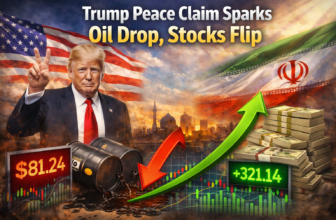
Gold pushed above $4,800 per ounce on 17 April 2026, setting a fresh record even as Iran formally reopened the Strait of Hormuz to international shipping. The reopening should, in theory, pull the rug from under safe-haven demand. It didn’t.
What Happened
Iran confirmed on Thursday that the Strait of Hormuz — the narrow waterway between the Persian Gulf and the Gulf of Oman — is fully open to commercial traffic. The strait handles roughly 20% of the world’s daily oil supply, according to the US Energy Information Administration (EIA), making it one of the most strategically important chokepoints in global trade.
The closure earlier this year had rattled energy markets and driven safe-haven flows into gold, the Japanese yen, and the Swiss franc. Iran’s decision to reopen reverses that pressure. Oil prices dropped on the announcement.
Gold didn’t.
Why Gold Ignored the De-escalation
Gold’s rally has outgrown geopolitics.
Central banks have been buying at historic rates for several years running, with annual net purchases exceeding 1,000 tonnes according to the World Gold Council. China, Poland, India, and Turkey have led the charge, reducing dollar exposure in their reserves. That buying hasn’t slowed.
Inflation is the other pillar. The Federal Reserve has held rates steady for months, and market pricing for cuts keeps getting pushed further out. Gold tends to perform well when real yields stay compressed and the dollar lacks directional momentum. That’s the setup right now.
So when the Strait of Hormuz reopened, it removed one bullish input — geopolitical fear. But the structural pillars held. Central bank demand. Sticky inflation. A range-bound dollar. Those don’t disappear because a shipping lane opened.
The Strait’s Role in Global Markets
The Strait of Hormuz is roughly 33 kilometers wide at its narrowest point. About 21 million barrels of crude oil and condensate flow through it daily, per EIA data. When Iran restricted access earlier this year, it sent shockwaves through commodity markets and lifted safe-haven assets across the board.
Reopening is a de-escalation signal. Energy traders treated it as such — crude oil gave back a portion of its crisis-era gains within hours of the announcement.
The gold market read the situation differently. Some traders who had been hedging against energy supply disruptions rotated profits into gold — not as a fear trade, but as a long-term positioning move in a market where the structural tailwinds remain intact.
Forex Impact: Safe Havens Unwind
Currency markets felt the Hormuz reopening more directly than gold did.
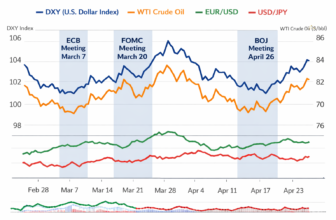
The Japanese yen weakened against the dollar as safe-haven demand faded. The yen had attracted significant flows during the strait crisis, and those positions started unwinding once the geopolitical premium evaporated. The Bank of Japan has shown limited appetite for intervention, which added to the pressure.
The Swiss franc followed a similar path, giving back crisis-driven gains against the dollar. The franc tracks geopolitical risk appetite closely, and a reopened strait is about as clear a de-escalation signal as markets can get.
The euro held relatively steady. European currencies had less exposure to Middle East supply-chain disruption, so the impact was muted.
Analyst Take
Gold at $4,800 with falling geopolitical risk is not a contradiction. It’s confirmation that the metal’s rally is structurally driven.
Central bank buying isn’t slowing down. Inflation isn’t cooperating with rate-cut timelines. The dollar’s share of global reserves has been declining for years. None of those trends reverse because one shipping lane reopened.
The $5,000 level is within reach. Whether gold gets there likely depends more on the Fed’s rate path and central bank reserve allocation than on Middle East headlines.
What to Watch
The Fed’s next policy meeting is the key event for gold traders. Any signal on rate timing could move prices — a hawkish surprise would likely trigger a pullback from current levels, while continued patience from the Fed supports the rally.
On the geopolitical side, Iran’s Hormuz decision needs to hold. Any reversal or fresh escalation would reignite safe-haven flows and could push gold beyond $5,000 faster than the consensus expects.
The next World Gold Council quarterly report, due in late April, will show whether central bank buying accelerated in Q1 2026. That data point matters more for gold’s medium-term direction than any single geopolitical event.
About Author