Robert J. Williams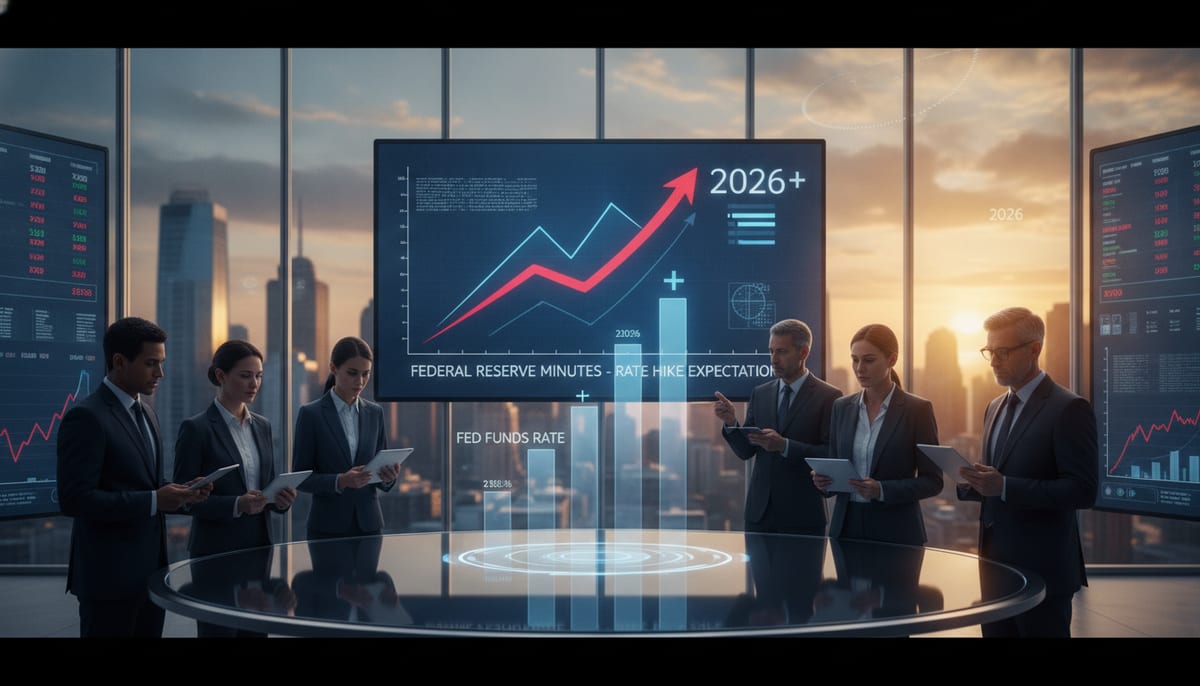
Dallas Fed President Lorie Logan told Texas business leaders on Oct. 1 that the federal funds target range “needs to rise an additional 50 basis points or more.” Minutes of the Federal Reserve’s September meeting, released Wednesday, show most of her colleagues would settle for one increase rather than two. The record of the Sept. 15-16 session is specific on direction. “Most participants assessed that another increase in the target range for the federal funds rate would likely be appropriate by year end,” it says. On timing, nothing.
What did the September FOMC minutes actually say?
The Committee raised the target range by a quarter point to 3.75-4.00% on Sept. 16. The vote was unanimous — all 12 voting members in favor, none against. Reporting on the Fed’s own projections put all 19 participants, voters and non-voters alike, behind the increase.
The minutes pair that year-end language with the caveat the Fed reaches for whenever it wants room to move. Participants “approached each meeting with an open mind and decisions at future meetings would depend on incoming information,” the record says. Inflation, in the Committee’s words, “remains elevated.” On the jobs side, members judged that the unemployment rate was largely unchanged, that solid growth in economic activity had continued, and that labor market conditions were stable.
So the hawkish reading is real. It just isn’t a schedule.
Why is the timing of the next rate hike still open?
Two meetings remain before 2027: Oct. 27-28 and Dec. 8-9. September’s projections showed the Committee split on how much more tightening the economy needs. Twelve participants pencilled in one more quarter-point increase this year. Four wanted two. Two wanted none at all.
That spread explains how a document can read hawkish without committing to anything. A majority agreeing on “another increase by year end” tells you the direction of travel. It does not tell you whether the move lands in three weeks or in December.
Market pricing had already leaned toward the later date. Odds of a December increase stood near 81% on Oct. 5. Goldman Sachs has shifted its next-hike call to December, while holding the view that further increases beyond that may prove unnecessary. JPMorgan projects one increase in December, then a pause.
| Meeting | Dates | Where it stands |
|---|---|---|
| October FOMC | Oct. 27-28, 2026 | Technically live. Market positioning leans against a hike here. |
| December FOMC | Dec. 8-9, 2026 | Implied probability of a 25 bps increase was near 81% as of Oct. 5. |
How did the dollar and Treasury yields react?
The release moved markets less than its content might suggest, largely because traders had already positioned for a hawkish record. The US Dollar Index rose 0.42% to near 102.3 on Oct. 7. The 10-year Treasury yield reached 5.32% the same day, up 0.03 percentage points on the session and its highest level since 2007.
That yield number matters more than the dollar move. Mortgage rates, corporate debt and emerging-market funding all price off the 10-year, and 5.3% is doing tightening work the Committee never had to vote for. Brent crude above $100 adds to the inflation side of the problem. Gold fell about 1.20% on Oct. 7 as the dollar and yields advanced.
Where does the Committee actually disagree?
Logan has staked out the clearest hawkish position on the record. Speaking at the Dallas Fed on Oct. 1, she called September’s increase “an important first step.” Her own estimate is that the target range needs another 50 bps “or more to appropriately balance the outlook and risks for our dual mandate goals. We must restore price stability.” A few more increases, she said, “would undo the FOMC’s risk management cuts from last fall.” She will keep watching labor markets, prices, growth, consumption and financial conditions to judge whether policy is turning restrictive.
New York Fed President John Williams and Fed Vice Chair Philip Jefferson sit on the other side of that argument. Both have stressed assessing incoming data before moving again, and Williams has argued that inflation has already passed its peak.
Officials have pointed to energy prices and to spending tied to artificial intelligence. They have also cited inflation running above 2% for more than five years.
Analyst Take
The hawkish headline is doing less work than it looks. A 12-4-2 split on the number of remaining hikes is not a committee that has decided something. It is a committee that agrees on direction and has handed timing to the data. For anyone sizing risk around the next six weeks, that makes October a genuine toss-up and December the more likely event.
The more interesting number is 5.32%. With the 10-year at its highest since 2007, financial conditions tighten whether or not the Committee votes to tighten them. That is the case Williams and Jefferson are making, and it is the case that wins if the next two inflation prints cool. Logan’s counter is that the Fed cut too far last autumn and is still unwinding it. She could be wrong about that, and she has effectively conceded the possibility by tying her own view to incoming data.
One thing this record does not settle: nothing in the minutes indicates how the Committee would respond to a weak payrolls print between now and December. That scenario was not tested in the September discussion.
What to watch before Oct. 28
Inflation and labor releases will decide the October question more than any speech. Logan named her own watchlist: labor markets, prices, growth, consumption and financial conditions. The Committee’s own language points at the same set, with future decisions dependent on “incoming information.” Whether the 10-year holds above 5.3% is the variable that cuts across all of it.
Frequently asked questions
Did the Fed raise rates in September 2026?
Yes. The FOMC lifted the target range for the federal funds rate by a quarter point to 3.75-4.00% at its Sept. 15-16 meeting. The vote was unanimous.
When is the next possible Fed rate hike?
Two meetings remain in 2026: Oct. 27-28 and Dec. 8-9. The September minutes say most participants expect another increase by year-end but give no timing. Market pricing favored December, with implied odds near 81% on Oct. 5.
What did the September minutes say about further rate increases?
The record states that “most participants assessed that another increase in the target range for the federal funds rate would likely be appropriate by year end.” It adds that participants approached each meeting with an open mind, and that future decisions would depend on incoming information. Direction, not a schedule.
How did the dollar respond to the Fed minutes?
The US Dollar Index gained 0.42% to near 102.3 on Oct. 7, and the 10-year Treasury yield hit 5.32%, its highest since 2007. The reaction stayed modest because traders had already positioned for a hawkish record. Gold fell about 1.20% the same day.
Disclaimer
This article reports on monetary policy and market data. It is not advice to buy, sell or hold any instrument. Rate expectations shift with every inflation and jobs release, and the market-implied odds quoted here are accurate as of the dates given, not as of the day you read this. Talk to a licensed adviser before you move money on the back of a central bank story.
About Author