Robert J. Williams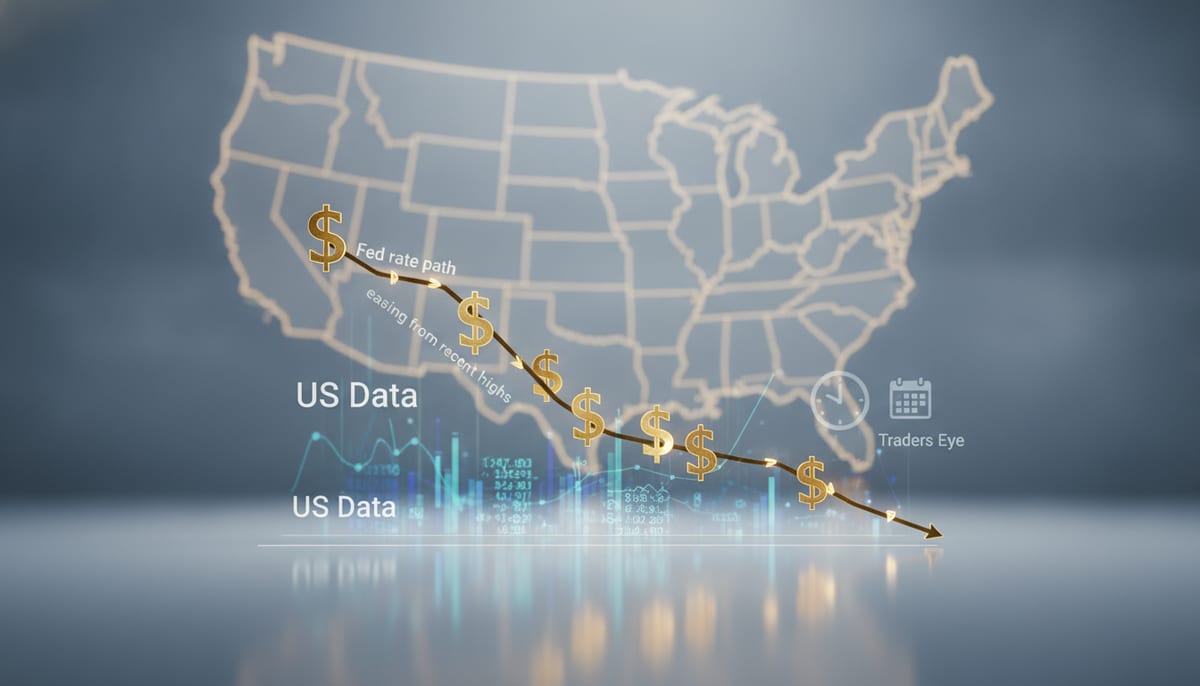
The US dollar slipped from its recent highs on Tuesday as traders stepped back ahead of a run of US economic data that could redraw expectations for the Federal Reserve’s next move.
The retreat was modest, not a turn. Reuters reported the dollar edged lower against a basket of major peers after touching recent highs, with the move driven less by any single headline than by positioning. Traders booked profits. They also reassessed a question that has hung over currency markets for months: how long will the Fed keep rates this high? The euro and several other G10 currencies picked up a little ground on the back of it. Ranges stayed tight otherwise, with no data shock to force anyone’s hand.
That last part is the real story here. When a market goes quiet ahead of scheduled releases, it usually means traders have stopped guessing and started waiting.
Why the dollar pulled back
A currency doesn’t need a reason to ease after a strong run. Sometimes the reason is the strong run itself. The dollar had pushed to recent highs, and at those levels some traders simply take the gain off the table rather than bet on another leg up before fresh data arrives.
There’s a calendar factor too, and it’s worth naming. Tuesday closed out the second quarter. Quarter-end brings portfolio rebalancing across funds and institutions, and those flows can move currencies around for reasons that have nothing to do with the economic outlook. A fund that ran heavy dollar exposure into June may have trimmed it simply to square the books. None of that reflects a changed view on the Fed. It’s mechanical.
Strip out the housekeeping and you’re left with the thing that actually drives the dollar from here: the rate path.
The Fed question hanging over the market
For most of this cycle the dollar has traded on a single theme. Higher for longer. As long as US rates stayed elevated relative to peers, the dollar had a yield advantage that kept it bid. That trade works until the market starts to doubt the “longer” half of it.
This week’s pullback reads like the early stage of that doubt. Reuters tied the move to traders reassessing the Fed’s trajectory, and the reassessment runs both directions. If inflation keeps cooling and the labor market softens, the case for holding rates high weakens, and so does the dollar’s yield support. If the data comes in hot, the higher-for-longer trade snaps right back. Right now the market isn’t committing to either side. It’s waiting for the numbers.
That’s why the euro’s gain is best read as a dollar story, not a euro one. The single currency didn’t rally on anything happening in the eurozone. It firmed because the dollar eased. Same with the rest of the G10 bounce.
What the data could do
The releases that matter most for the dollar fall into two buckets, and traders treat them differently.
| Data point | Why the dollar cares |
|---|---|
| Inflation readings | The clearest signal on whether the Fed can justify holding rates. Cooler prints chip away at the dollar’s yield case; sticky ones rebuild it. |
| Labor-market data | Jobs and wages tell the Fed how much room it has. A softer labor market gives the doves ammunition and tends to weigh on the dollar. |
Neither number moves the dollar on its own. What moves it is the gap between the print and what traders already expected — the surprise, not the figure. A perfectly in-line release can leave the dollar exactly where it started, which is part of why ranges are so tight before the data lands.
Analyst’s Take
The dollar’s slip from its highs looks less like a top and more like a pause. The yield advantage that carried it through this cycle hasn’t gone anywhere, and a market that drifts lower on profit-taking and quarter-end flows isn’t a market that’s changed its mind. It’s a market that’s run out of conviction at current levels and wants new information before adding risk.
The setup into the data is finely balanced, and that’s the honest read. The higher-for-longer trade is intact but no longer unquestioned. Each soft inflation or labor print tests it a little more, and at some point a run of weak data would do real damage to the dollar’s support. We’re not there yet. One quiet session of consolidation proves nothing on its own.
For traders, the useful takeaway isn’t a direction. It’s that the dollar has handed the next move to the data calendar, and tight pre-release ranges can break hard in either direction once the numbers hit.
What to watch next
The incoming US inflation and labor figures are the immediate test. A clear cooling trend would pressure the dollar further and extend the G10 bounce; a hot surprise would likely revive the recent strength. Until then, expect the consolidation to hold, with quarter-end flows fading out of the picture as the new quarter begins.
About Author