Robert J. Williams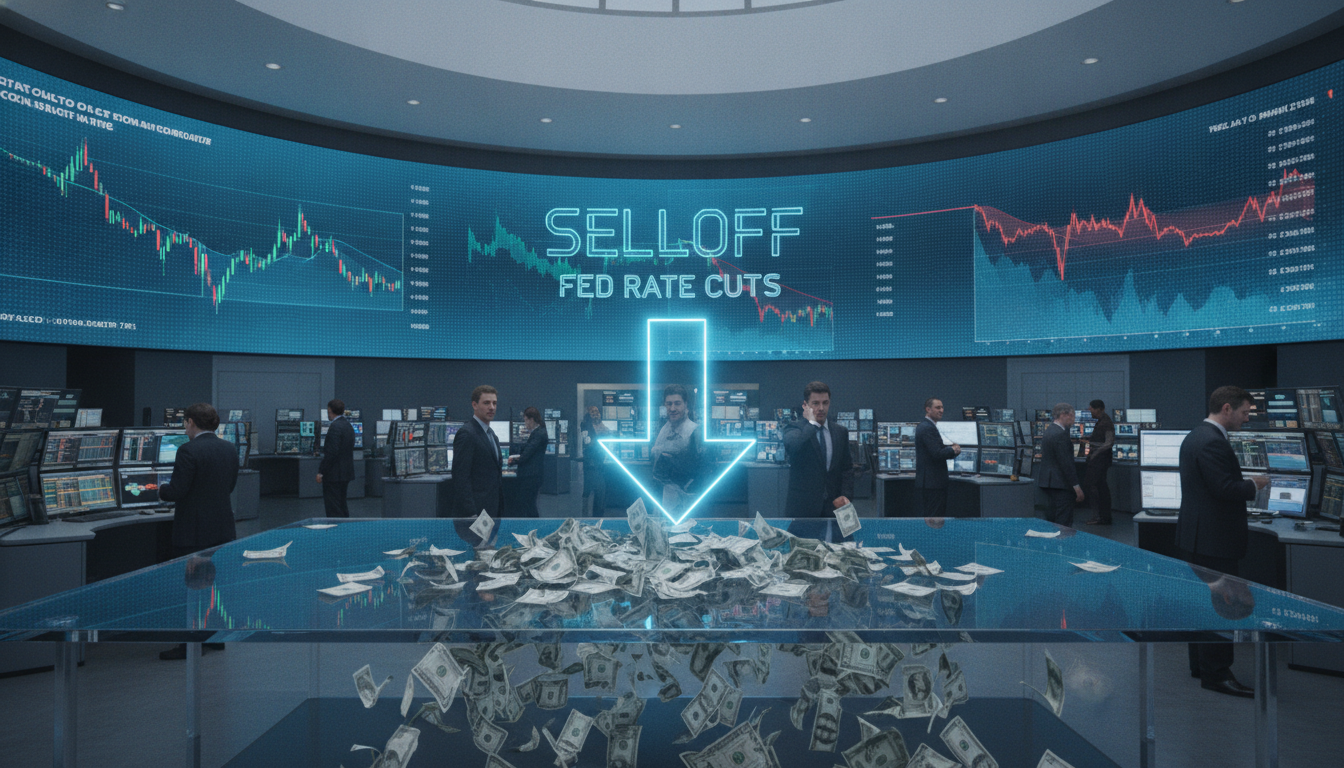
The U.S. dollar clawed back some ground late Monday after a rough session, steadying against major peers as traders second-guessed how soon the Federal Reserve might start cutting interest rates.
The move capped a broad selloff that had knocked the greenback lower through the day, according to Reuters. What set it off: a more dovish reading of recent Fed commentary, plus a run of softer U.S. economic data that pushed traders to bring forward their bets on when the first rate cut lands. By the close of Monday’s session (July 20), the currency had pared the worst of its losses.
The question hanging over the market now: did the selloff go too far, too fast?
What drove the dollar lower
Rate expectations. That’s the short version.
When traders think a central bank will cut rates sooner, the currency usually softens. Lower rates mean a lower return on assets held in that currency, so money looks elsewhere. Over recent sessions, markets have leaned harder into the idea that the Fed’s next move is a cut, and that it could land earlier than policymakers have signaled. Softer U.S. data fed that read. So did the tone of recent Fed remarks, which some trading desks took as a step toward easing.
The repositioning showed up fastest in the majors. The euro pushed higher against the dollar (EUR/USD), and the yen firmed as USD/JPY slipped, Reuters reported. Both pairs move on the U.S. rate outlook for different reasons. EUR/USD is the most heavily traded pair in the market, so it absorbs the first wave of any dollar repricing. USD/JPY has been driven for two years by the gap between Fed and Bank of Japan policy, and any narrowing of that gap tends to drag the pair lower.
Volatility picks up
A fast repricing doesn’t happen quietly. As traders rushed to adjust positions, price swings widened, and the late-session steadying suggested some of them decided the move had run far enough for one day.
That’s the tension in the market right now. One camp reads the data and the Fed’s tone as a green light to sell the dollar. The other thinks the selloff overshot, arguing that a single soft stretch of data doesn’t lock in an early cut and that the Fed has given itself room to wait. Monday’s bounce off the lows is what that second camp looks like in price.
Why the Fed read matters so much
The dollar sits at the center of the rate-expectations game because the Fed sets the benchmark that so much of global finance prices against. Shift the expected path of U.S. rates, and you shift the relative appeal of holding dollars versus euros, yen, or anything else.
Right now the market isn’t reacting to a decision. It’s reacting to a change in the odds. No rate has actually moved. What’s moved is the collective bet on the timing, and in currency markets that bet often moves the price well before the event it’s betting on.
That’s also why moves like Monday’s can reverse just as quickly. Expectations are not facts. A firmer inflation print or a hawkish comment from a Fed official can pull the odds back the other way, and the dollar with them.
What traders are watching next
The calendar does the talking from here. The next Fed meeting and the statement that comes with it will be read closely for any hint on timing, as will the upcoming run of U.S. inflation and labor data. Each release feeds the same question the market spent Monday arguing over: is an early cut coming, or is the market getting ahead of itself?
Until then, the dollar is likely to trade on every data point that speaks to the rate path. Ranges may stay wide.
Analyst Take
Monday looked less like a verdict and more like an argument the market is still having with itself. A dovish lean on the Fed and a couple of soft data points were enough to spark a real move, but not enough to settle anything.
The steadying into the close is the tell. When a selloff stalls without fresh news, it usually means the easy money has already been made and the market wants confirmation before pressing further. That confirmation only comes from the data and the Fed itself.
For now, the dollar’s direction is hostage to a timing question no one can answer yet. That makes for choppy trading and sharp reversals, the kind of tape that punishes conviction built on a single session. The strategists posting through Monday’s move had it right on one point: the volatility is the story as much as the direction.
This article is for informational purposes only and does not constitute financial advice. Trading foreign exchange carries a high level of risk. Always do your own research and consider your circumstances before making any trading decision.
About Author