Dollar Firms as Markets Brace for US Inflation Data and Fed Speakers
 Robert J. Williams
 Alexandra Winters
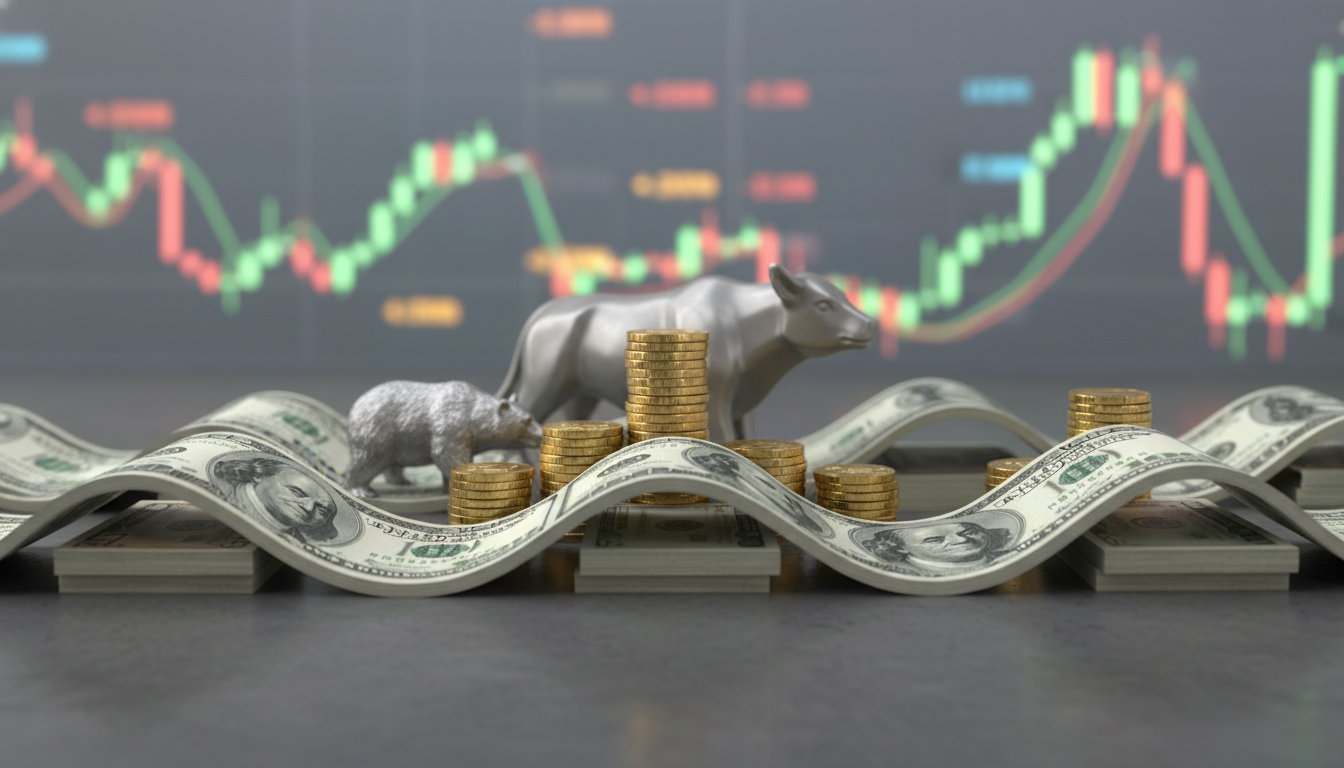
The US dollar traded firmer against major currencies on Monday as traders squared positions ahead of a week loaded with inflation data and Federal Reserve speeches.
Dollar strength built through the Asian session on 26 May, with the greenback gaining against the euro, British pound, and Japanese yen. The move came as markets recalibrated expectations for the pace of Fed rate cuts later this year.
Why the Dollar Is Bid
Higher for longer. That’s the trade right now.
Rate-cut bets that looked aggressive a month ago have been pared back. Futures markets price fewer cuts in 2026 than they did at the start of May, and each repricing nudge lifts the dollar.
This week’s catalyst is the Personal Consumption Expenditures (PCE) price index — the Federal Reserve’s preferred inflation gauge. A hot print would reinforce the case for patience. A soft one might revive cut expectations, but even then, the bar for a June move looks high.
The PCE report lands Friday. Before that, several Fed officials are scheduled to speak, and traders will parse every sentence for hints about the rate path.
What’s Moving
High-beta currencies took the hit. Emerging-market FX weakened across the board, with carry-trade-sensitive pairs under particular pressure. When the dollar bids up on rate expectations, riskier currencies feel it first.
EUR/USD drifted lower. USD/JPY pushed higher, helped by the persistent rate differential between the Fed and the Bank of Japan. The yen remains stuck — domestic inflation running above target on one side, a central bank still moving cautiously on hikes on the other.
The DXY dollar index, a basket measuring the greenback against six major peers, held above recent support levels.
The Bigger Picture
This isn’t a one-week story.
The dollar’s firmer tone reflects a broader shift in how markets are pricing the Fed’s next move. Six months ago, rate-cut expectations were front-loaded. Traders expected the first cut by spring. That didn’t happen. Sticky inflation prints, resilient employment data, and hawkish-leaning Fed rhetoric pushed the timeline out.
Now the consensus sits somewhere in the second half of 2026 for the first reduction, and even that comes with caveats. Fed officials have been clear: they need sustained progress on inflation before cutting. One good print won’t do it.
Analyst’s Take
The dollar’s positioning makes sense given the data calendar. This is a week where risk gets managed, not taken. Traders don’t want to be caught offside heading into PCE with outsized currency bets.
But there’s a tension worth watching. The dollar is strong on rate expectations, yet the economy is showing early signs of cooling. Retail sales have softened. Manufacturing surveys have rolled over. If inflation cooperates but growth deteriorates, the dollar’s higher-for-longer bid could flip quickly.
For now, the path of least resistance is dollar strength — until the data says otherwise.
What to Watch This Week
| Event | Date | Why It Matters |
|---|---|---|
| Fed speakers (multiple) | 26–29 May | Any shift in tone on rate timing |
| Consumer confidence | 27 May | Gauge of household spending appetite |
| PCE price index | 30 May | Fed’s preferred inflation measure — the main event |
The PCE report will set the tone heading into June. A reading above expectations would likely extend the dollar’s run. A downside surprise could reopen the rate-cut debate, but with Fed officials sounding cautious, any dollar weakness on a soft print may not stick.
About Author