Robert J. Williams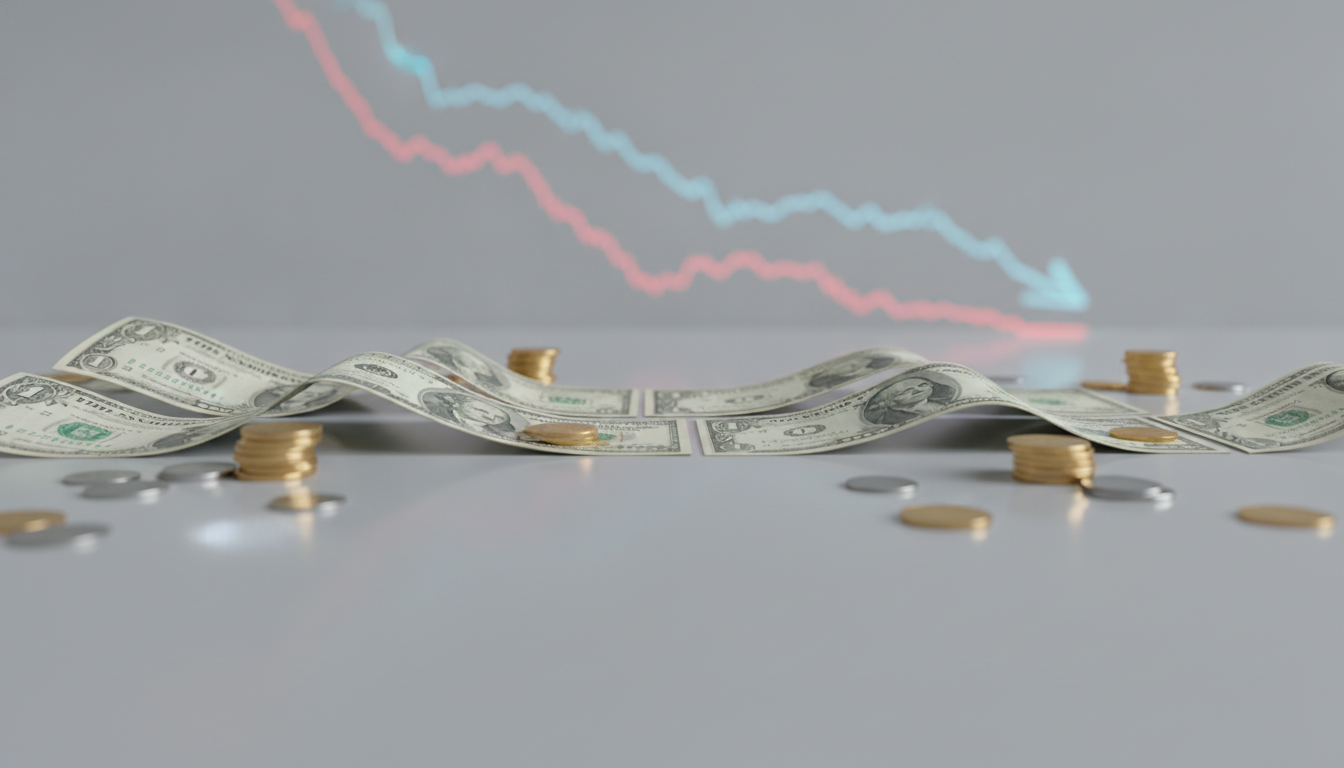
The US dollar slipped against major currencies on 18 June as forex traders trimmed long positions ahead of a packed week of economic data and Federal Reserve speeches, according to Reuters.
Markets aren’t just watching the calendar. They’re repricing it. Rate-cut expectations have shifted over recent sessions, and that repricing is pulling the greenback lower across the board.
What’s Driving the Dollar Lower
The sell-off comes down to positioning. Traders who had been riding dollar strength are now hedging ahead of data releases that could confirm — or undercut — the Fed’s current stance. Reuters reported increased volatility in rate-sensitive currencies as participants scrambled to adjust.
That kind of activity usually means one thing: nobody’s confident about the next move.
The broader backdrop matters here. The Fed has kept markets guessing on the timing and depth of rate cuts in 2026, and every fresh data print reshapes the probability curve. A strong jobs number next week could kill cut expectations for months. A soft inflation read could pull them forward. The dollar sits right in the middle of that tug-of-war.
Rate-Cut Bets Are Shifting
This isn’t a sudden panic. It’s a slow grind of recalibration.
Futures markets have been repricing the number of cuts the Fed can deliver this year. Earlier in 2026, traders priced in multiple reductions. That consensus has frayed. Some desks have pulled back to expecting just one cut. Others still see two. The disagreement itself is a source of volatility — when the market doesn’t have a strong conviction trade, everything becomes data-dependent.
And data-dependent means every number matters more than it normally would.
USD Pairs Under Pressure
The weakness showed up across major pairs. EUR/USD, GBP/USD, and commodity-linked currencies all caught a bid as the dollar eased. Risk sentiment stayed cautious overall, but the positioning flush gave non-dollar currencies room to move.
For traders watching the greenback, the pattern is familiar. Pre-data drift tends to reverse sharply once the actual numbers hit. The question isn’t whether the dollar is weak today — it’s whether this weakness sticks past the data window.
The Analyst Take
This looks like classic pre-event de-risking, not a structural dollar breakdown. The greenback is losing ground because traders don’t want to hold large directional bets into a wall of event risk. That’s rational. It’s also temporary — unless the data delivers a genuine surprise.
The real tell will come from the Fed speakers. If multiple officials push back on rate-cut pricing, the dollar likely snaps back. If they leave the door open, this drift could extend. Either way, the current move says more about uncertainty than about conviction.
Traders sitting on the sidelines right now aren’t being cautious — they’re being smart.
What to Watch Next
The upcoming US economic releases will set the tone for the dollar through the rest of June. Fed speeches scheduled for this week could provide forward guidance that either reinforces or disrupts current rate-cut expectations. Any data surprise, in either direction, is likely to trigger sharp moves in USD pairs given how stretched positioning has become.
About Author