Dollar Index at 99.41: Oil Shock Fuels Safe-Haven Rally
 Robert J. Williams
  Alexandra Winters
 The US Dollar Index surged 2.1% to 99.41 as of March 13, 2026, driven by extreme oil price volatility and the escalating US-Iran conflict that began on February 28. The safe-haven rally reverses months of dollar weakness and is reshaping global forex dynamics amid fears of prolonged disruption in the Middle East.
Oil Prices Swing Wildly, Disrupting Global Flows
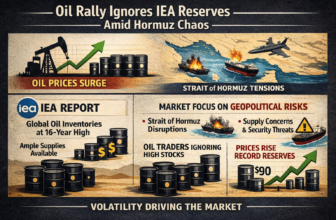
Crude markets experienced dramatic volatility during the conflict. West Texas Intermediate (WTI) crude surged 30% to $119.54 per barrel on March 9 before collapsing 35% to $76.83 the following day. Brent crude also crossed $100 for the first time since 2022, eventually stabilizing between $98 and $105 by March 12–13.
Key triggers behind the volatility include:
- Strait of Hormuz Closure: Iran’s blockade disrupted roughly 20% of global oil supply.
- Energy Infrastructure Threats: Attacks on Gulf oil assets and tanker routes continued despite the G7’s record 400-million-barrel strategic reserve release on March 11.
- US Production Advantage: As the world’s largest oil producer, the United States benefits from higher prices compared with energy-importing economies in Europe and Asia.
USD Safe-Haven Status Confirmed
Market strategists note that rising oil prices tend to damage growth prospects in Europe and Asia more severely than in the United States, reinforcing the dollar’s safe-haven appeal. Analysts say the recent rally strengthens the long-standing argument that the US dollar remains the dominant global refuge during geopolitical crises.
Factors driving the dollar rally include:
- Deep liquidity in US financial markets and global oil transactions
- Expectations that the Federal Reserve will delay interest rate cuts due to inflation risks
- A shift in investor sentiment, with around 20% of investors now expecting dollar gains over the next 6–12 months, up from 16%
Major Forex Pairs Under Pressure
- EUR/USD: Down about 1.5%, trading near 1.1500 as energy costs pressure the eurozone economy.
- GBP/USD: Declined roughly 0.5% to around 1.3350 as rising energy prices complicate Bank of England policy decisions.
- USD/JPY: Touched 159 before pulling back to around 158.50, with intervention considered unlikely amid strong dollar demand.
- USD/CAD: Trading in a volatile 1.4301–1.4501 range following softer US inflation data.
Commodity-linked currencies such as the Australian dollar, New Zealand dollar, and Canadian dollar have also weakened amid risk-off market sentiment.
Central Banks Face a Stagflation Dilemma
Global central banks now face difficult policy trade-offs as rising energy prices threaten to push inflation higher while slowing economic growth.
- The Federal Reserve is expected to delay rate cuts, with roughly 40 basis points of easing now pushed toward September or December.
- The European Central Bank may consider additional tightening as energy inflation intensifies.
- The Bank of England is expected to delay potential rate cuts.
- The Bank of Japan remains cautious while monitoring yen weakness.
- The Bank of Canada has implemented a modest 25-basis-point rate cut while signaling a cautious policy outlook.
Market Impact and Broader Risks
Forex trading volumes surged roughly 40% above average during the volatility. Meanwhile, the VIX volatility index dropped 13.5% on March 10, signaling temporary relief in equity markets.
However, analysts warn that a prolonged Strait of Hormuz closure could push Brent crude toward $150 per barrel, significantly increasing the risk of a global recession. Conversely, rapid geopolitical de-escalation could drive oil prices back toward the $60–70 range.
Outlook: Volatility Likely to Continue
Traders are closely watching military developments in the Middle East, oil price technical levels—particularly WTI support near $88.36—and upcoming central bank policy signals. Continued dollar strength could offset global disinflation trends unless oil markets stabilize.
Alexandra Winters Take:“This oil-fueled dollar rally could extend if Hormuz stays closed, pressuring euro and yen further while commodity currencies lag. Traders should eye $88 WTI support for entries, but stagflation odds favor defensive USD longs over risky carries amid policy delays.”
About Author