Forex Chaos: Iran War Fuels Dollar Surge
 Robert J. Williams
  Alexandra Winters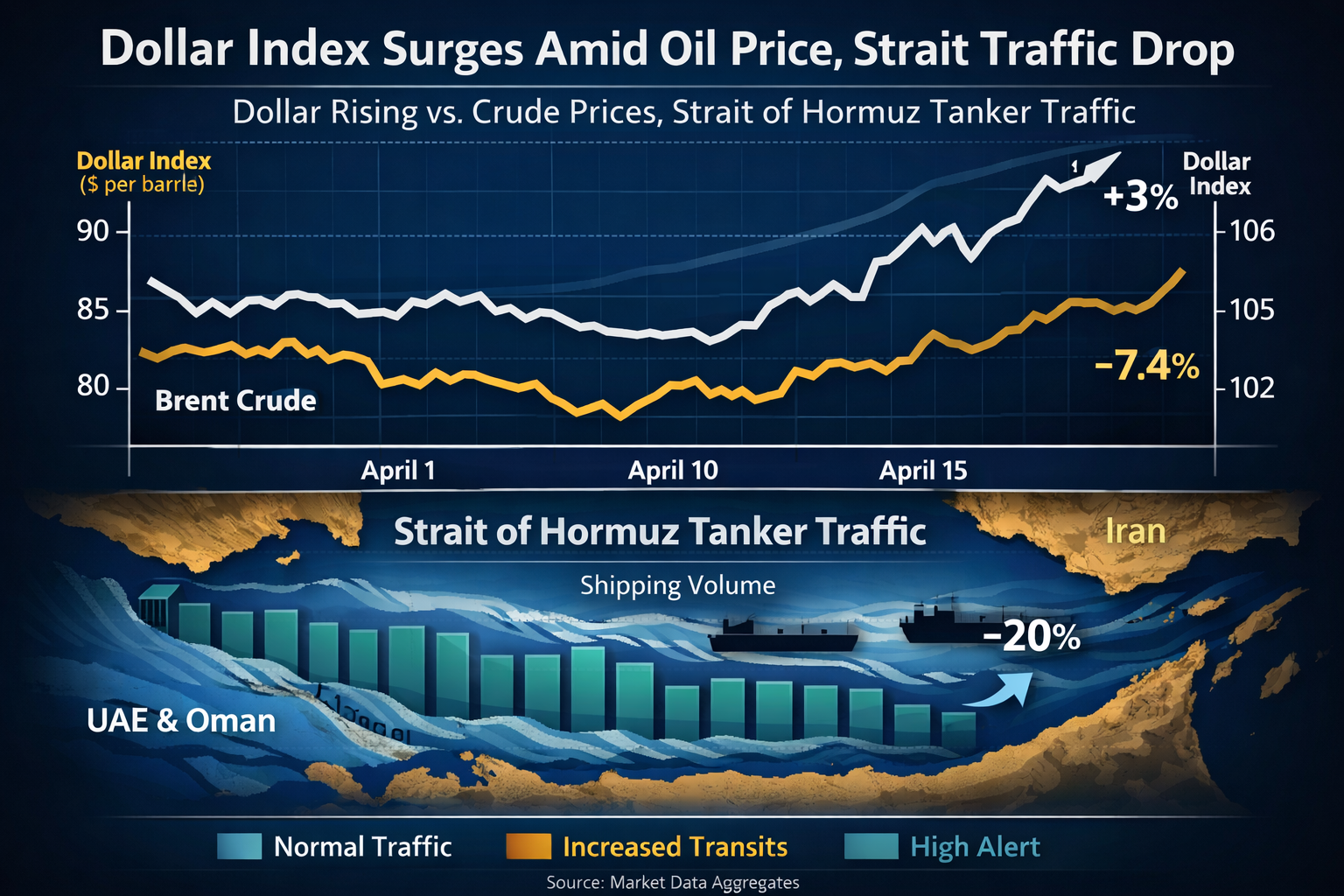
Intensifying military clashes between the US, Israel, and Iran have unleashed chaos in forex markets, with the US dollar surging as the top safe-haven asset amid energy supply fears. In early March 2026, the dollar index climbed to 98.42—its 2026 peak—while major pairs like EUR/USD plunged below 1.1650, driven by Strait of Hormuz disruptions and fresh US-Canada tariffs.
This turmoil, unfolding since US-Israeli strikes on Iranian targets began February 28, threatens global inflation and central bank policies, reshaping currency valuations overnight.
Timeline of Key Events Fueling Volatility
- Feb 28: US and Israel launch strikes on Iranian military sites, codenamed Operation Roaring Lion and Epic Fury.
- March 2: Iran blockades Strait of Hormuz, halting 20-25% of global oil/LNG flows; shipping drops 70%, stranding 200+ vessels.
- March 3-4: IDF hits Iran’s Supreme National Security Council and nuclear sites; Iran retaliates with missiles, injuring 12 near Tel Aviv (total: 11 Israeli deaths, 1,000+ injuries).
- March 4: US tariffs (25% on Canada/Mexico goods) activate, prompting Canadian retaliation.
Energy prices spiked—Brent near $85/bbl, WTI over $76—exacerbating inflation worries and boosting dollar demand against euro, pound, and loonie.
Currency Pair Breakdown
| Pair | Movement | Key Driver |
|---|---|---|
| EUR/USD | Below 1.1650 | ECB inflation dilemma |
| GBP/USD | Toward 1.3340 support | UK energy vulnerability |
| USD/JPY | Above 156, volatile | Yen safe-haven vs. rates |
| USD/CAD | CAD weakens | Tariffs, trade risks |
Expert Reactions and Market Signals
Minneapolis Fed’s Neel Kashkari noted uncertain inflation impacts from the conflict, while NY Fed’s John Williams eyed potential cuts if pressures ease. Markets now price just two Fed cuts for 2026, down from three. Gold hit $5,300/oz highs before liquidation to $4,996, defying safe-haven norms due to margin calls.
Market Impact and Policy Shifts
The dollar’s resurgence reflects safe-haven flows and Fed hawkishness amid energy shocks, pressuring Europe and UK where ECB/BoE face inflation-growth traps. AUD held firm as an energy exporter, while EM currencies like offshore yuan (6.8860/USD) slipped on risk-off sentiment. US data showed ISM Services at 56.1 and low jobless claims (212k), signaling resilience but complicating Fed easing.
Looking Ahead: Stabilization on Horizon?
Preliminary talks—Iran reaching out via CIA—hint at de-escalation, potentially easing risk premiums if Hormuz reopens. Yet persistent tariffs, shipping backlogs, and nuclear tensions could prolong volatility, favoring dollar longs and energy hedges in forex strategies.
Alexandra Winters says:
This Iran-fueled forex storm positions the dollar for extended dominance, but traders should watch Hormuz resolution signals for quick reversals in EUR/USD and commodity pairs. Volatility offers scalping opportunities in USD/JPY, though persistent energy inflation risks could lock in Fed restraint, punishing euro shorts if ECB blinks first.
About Author